Ro-BassFishing Best Fishing Spots on Lake Seminole
Scout Sneads Park, cypress creeks, and bluffs with boat access—no fake GPS pins.
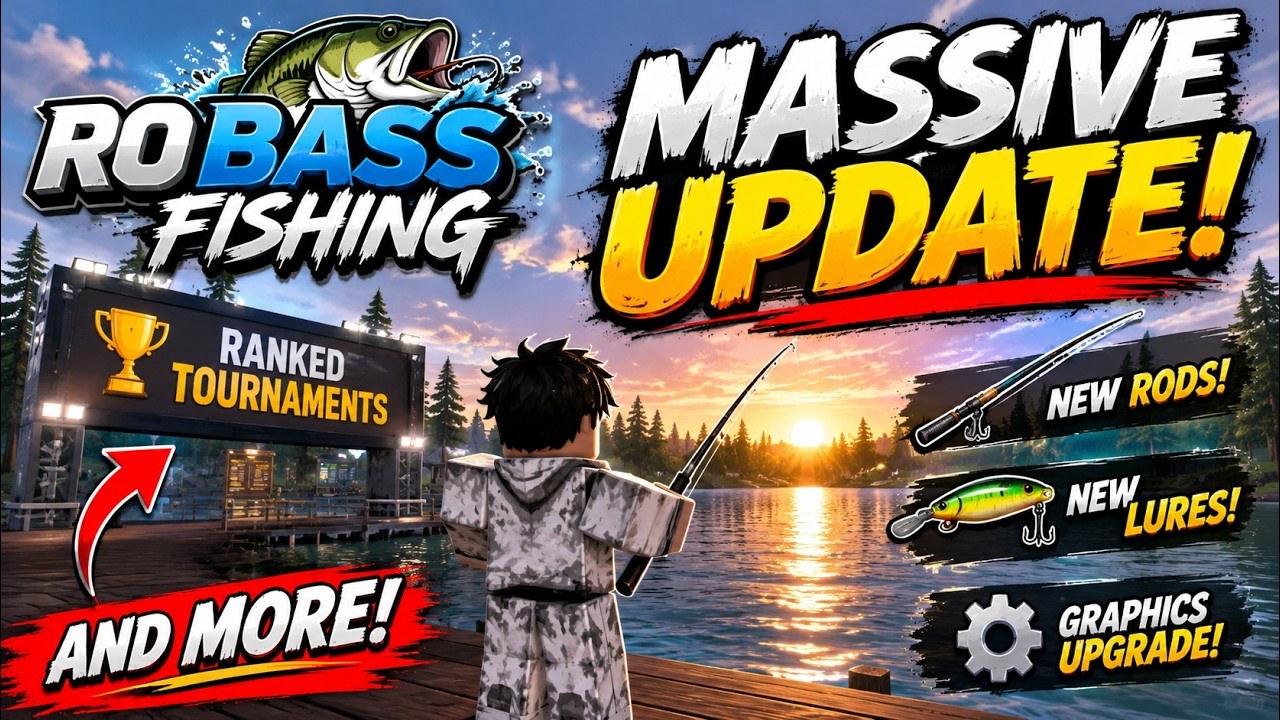
Ro-BassFishing’s map fantasy is a full-size Lake Seminole on the Georgia–Florida line. The developer description anchors the world from the Sneads Park boat ramp out to cypress-lined creeks and bluffs. This best-spots guide teaches you how to read those landmarks, test water efficiently, and use the boat for deeper or tighter access—without inventing GPS coordinates the game does not publish. If you still need the free rod, start at getting started. For cast and fight timing, use how to fish.
Landmark 1 — Sneads Park boat ramp
Treat Sneads Park as home base. It is the mental zero point for the lake: spawn energy, shop access via Earl’s Seminole Bait & Tackle, and the natural place to launch the Langer X500. Fish the readable water around the ramp while you warm up accuracy. Short casts here teach the underwater follow-cam without the stress of a long boat run. When friends join (up to 15 players per server), the ramp is also the easiest rally point before you split toward creeks or bluffs.
Do not assume the ramp is “too noob” forever. Pressure changes with time of day and crowd density. If shoreline water goes cold, make two exploratory casts elsewhere, then return later rather than abandoning a landmark that still produces for other sessions.
Landmark 2 — Cypress-lined creeks
Cypress creeks are the cover classroom. Expect tighter casting lanes, more visual clutter, and bass that may want a lure that negotiates edges—spinnerbait flash or a careful worm along shade lines. Slow down the boat before you enter a creek mouth; trim and jack plate habits from the boat guide matter when depths change. Fish the transitions: mouth, inside bend, and any obvious wood or shade pocket you can still see underwater after the cast.
Creek sessions punish hero casts. Aim for pockets you can fight out of. If you snag constantly, shorten up and change lure family instead of forcing the same bomb into timber.
Landmark 3 — Bluffs
Bluffs give a different silhouette: steeper banks, potentially different depth bands, and longer sight lines for aiming. Use them when you want cleaner cast visuals or when creek traffic is high. Work parallel casts along the bank, then angle one cast off the structure to see whether bass suspend nearby. Crankbaits that hold a depth can shine when you need the lure to stay in a band beside the wall; topwater frogs can wake quiet surface stretches at the right hour.
Again: no fabricated lat/long. Learn bluffs by silhouette and relative travel time from the ramp. Community videos help you recognize the look—use the single embed on this page as a visual reference, then explore yourself.
Community landmark notes (reported, not official GPS)
Beyond the official framing—Sneads Park, cypress creeks, and bluffs on Lake Seminole—players share extra place-names in videos and chat. Label all of the following as community-reported. They help squads rally; they are not a verified coordinate grid.
- Ro Bass Marina channels — community talk points at channelized water near marina-style structure. Use them as boat corridors and bank edges to test, then confirm what your own session produces.
- Northern lily pads — anglers mention pad fields on northern stretches for frog or edge work when surface mood is right. Re-test after pressure; pads that looked hot at dawn can die mid-day.
- Deep timber / wreck talk — players describe deeper wood and wreck-like cover for crank or worm presentations. Approach slowly with trim and jack plate awareness from the boat guide; do not invent a wreck pin list.
- Spring Creek / Flint Arm / Chattahoochee — community route names borrowed from real Lake Seminole geography. Useful as shared language with friends, not as proof the game published those labels on a HUD map.
Live scope tip from guides: treat the underwater lure follow-cam like a live scope. Watch follows before you declare a community landmark “dead.” Two empty casts after a clear follow means change tempo or lure; thirty blind bombs means you never read the water. Pair this with the 15-minute protocol below and the embed on this page for visual landmark recognition.
When New Map corners open, community names multiply faster than wiki pages. Write what you see (pad edge, timber line, channel cut) next to any chat nickname so next week’s you can still find it. Official framing stays Lake Seminole; community nicknames are optional overlays.
How to test a spot in 15 minutes
A spot is only “best” if it produces for your lure and timing that day. Run a short protocol:
- Two accuracy casts to confirm you can hit the intended water.
- One slow presentation (often worm) watching every follow on the underwater cam.
- One faster or flashier presentation (crankbait or spinnerbait) through the same lane.
- One surface look with the frog if light and calm allow.
- Log the result: follows, strikes, landed fish, snags.
If you get follows with no eats, adjust twitch/reel before you abandon the landmark—see how to fish. If you get nothing at all, move. Three empty casts is data; thirty empty casts is stubbornness. Sell whatever you catch at Earl’s so the test session still funds gear progression.
Boat access to deeper or distant water
Shore-only fishing works for learning, but the Langer X500 unlocks the rest of the lake fantasy. Spawn at the dock/ramp, idle out cleanly, then run toward creek mouths or bluff faces you have not pressured yet. Use trim and jack plate to settle the hull for the water you are in—details in the boat guide. Deeper or farther water is not automatically better; it is simply less crowded and sometimes holds fish that ignored the ramp circus.
When you arrive, kill useless speed before casting. A drifting, noisy approach can burn a pocket. Anchor your attention: one bank, one lure hypothesis, then rotate.
Day and night notes
Lake Seminole runs a day/night cycle. Light changes how easy it is to see lure and fish, and it can change which presentation feels natural. Topwater often feels more exciting in lower light or calmer surface windows; subsurface crank and spinner work remain useful when you need depth. Night is not an excuse to cast blindly—if you cannot read the underwater chase, move to clearer water or a simpler lure until strikes become visible again.
After major content drops—such as the November 2026 New Map and Species update—re-scout even familiar landmarks. New water or species can shift where your old “best” pocket sits. Always skim updates after a patch notes splash.
Building your personal spot list
Keep a tiny mental (or real) notebook:
- Landmark name (ramp / creek / bluff / other recognizable feature)
- Time of day
- Lure that got follows or eats
- Boat needed or shore-ok
- Crowd level
Share notes with friends on the water and compare against the tier list when choosing presentations. Redeem codes when you need Cash to buy the lure a new pocket demands. For overview facts, keep the wiki handy; for community context see players. Return to the Guides Hub whenever you need the full tutorial index.
Best spots in Ro-BassFishing are earned by scouting, not by copying a fake pin list. Learn Sneads Park, push into cypress creeks, read the bluffs, and let the boat turn the rest of Lake Seminole into your rotation.
Frequently Asked Questions
Quick answers for Lake Seminole anglers.
What landmarks define Lake Seminole in Ro-BassFishing?
The game highlights the Sneads Park boat ramp stretching out to cypress-lined creeks and bluffs along the Georgia–Florida line.
Are there GPS coordinates for the best fishing spots?
No public coordinate grid is provided here. Learn spots by landmark silhouette, travel time from the ramp, and short test sessions.
Should I fish only near the Sneads Park ramp?
Use the ramp to learn, then boat into creeks and bluffs when you can cast and fight confidently. Rotate if pressure kills a pocket.
Does day and night change fishing spots?
Yes. The day/night cycle changes visibility and which presentations feel natural. Re-test pockets instead of assuming daytime results hold.
How do I know a new spot is worth staying?
Run a short lure rotation, watch for follows on the underwater cam, and leave if you get no interest after a disciplined test.